
How Place Betting Fits A Focused Table Setup

Place bets sit on specific numbers and pay out when those numbers hit before a seven, which makes them a slower, more deliberate way to read a table than chasing props or hopping bets. In my years running country operations for a major European bookmaker, I learned that players who treat the layout like a menu rather than a slot machine tend to keep their sessions tighter and their decisions clearer. The same discipline shows up in performance marketing: you do not bid on every keyword, and you do not cover every number on the felt. A sensible place-bet strategy usually concentrates on the higher-paying spots, most often the six and eight, because they land frequently enough to matter without draining a stack in a single arvo. The real value shows up in the rhythm of the game, where you can watch the dice settle and decide whether a number is hot, cold, or just noisy. For Australians who prefer a measured pace, that rhythm matters more than chasing a quick hit. If you enjoy table games with a similar decision-first feel, you might also read our piece on column bets for a different angle on structured wagering. When you are picking a site to play on, the table interface and localisation matter just as much as the odds, because a cluttered screen or clumsy menu can turn a calm session into a rushed one.
Reading The Table, The Odds, And The Payout Logic
Place bets are straightforward on paper, but the maths and the table etiquette are where most newcomers lose their footing. A place bet on the six or eight pays 7 to 5, while the five and nine pay 7 to 5 as well, and the four and ten pay 9 to 5. That difference is not cosmetic; it changes how you size your units and how often you expect a return. In affiliate-channel work I have seen campaigns fail because the landing page promised one thing and the actual product delivered another, and the same mismatch happens at the table when players assume every place number pays the same. You do not get paid for the number you point at; you get paid for the number you actually back, and the vig built into those payouts is the house edge doing its job quietly. Lily Fisher, Product Analytics Lead at Boomerang Gaming Insights, puts it plainly: “Place numbers are popular because they feel active, but the edge is still there, and the payout structure is what separates a patient player from a rushed one.” The practical takeaway is to treat the six and eight as your anchor if you want frequency, and to leave the four and ten for sessions where you are comfortable with a bigger swing for a smaller number of hits.
- Six and eight: highest hit frequency among place numbers, 7 to 5 payout
- Five and nine: mid-range frequency, 7 to 5 payout
- Four and ten: lower frequency, 9 to 5 payout
- Always remove or adjust place bets after a seven, because the puck and the dealer will not hold your position for you basket bounty slot
The table itself should make this readable at a glance. A well-built interface shows the active place numbers, the current payouts, and the dealer’s call in a way that does not force you to squint or re-read the felt after every roll. When I was managing local markets, I saw how much friction a poor localisation layer adds: wrong currency labels, awkward menu trees, and language that feels translated rather than built for the audience. That same friction shows up online when a table lobby buries the place-bet options behind three taps or mixes up the payout display. A clean lobby, clear chip denominations, and a layout that mirrors the real felt make place betting feel like a decision, not a guessing game. Adelaide players in particular tend to value that kind of clarity, because a session at a local club or a late-night arvo on a phone should feel like the same game, not two different products stitched together.
What A Well-Built Place-Bet Experience Looks Like
A table product that respects place betting does more than show the numbers; it makes the decision loop fast and the feedback clear. The lobby should separate place bets from proposition bets so you are not clicking through a maze of high-variance props just to back the six. Navigation should keep your active places visible, your chip stack obvious, and the payout table easy to check without leaving the table. Localisation matters here too: currency in AUD, language that reads naturally, and a registration flow that does not ask for information you already gave ten screens ago. In performance marketing, we learned that conversion drops the moment a user has to re-enter details or hunt for a button, and the same principle applies to a table game. Olivia Ryan, Sports Betting Analyst at Red Centre Analytics, notes that “players who stick with place betting usually do it because the interface lets them watch the pattern and adjust without friction, not because they think they have found a loophole.” A mobile view should preserve that clarity rather than shrink everything into a cramped strip, because a place bet is a deliberate choice and the screen should respect that. Support and loyalty features round out the experience when they are actually useful: quick answers when a payout looks off, and a rewards structure that recognises steady table play rather than only pushing you toward bonus-chasing spins.
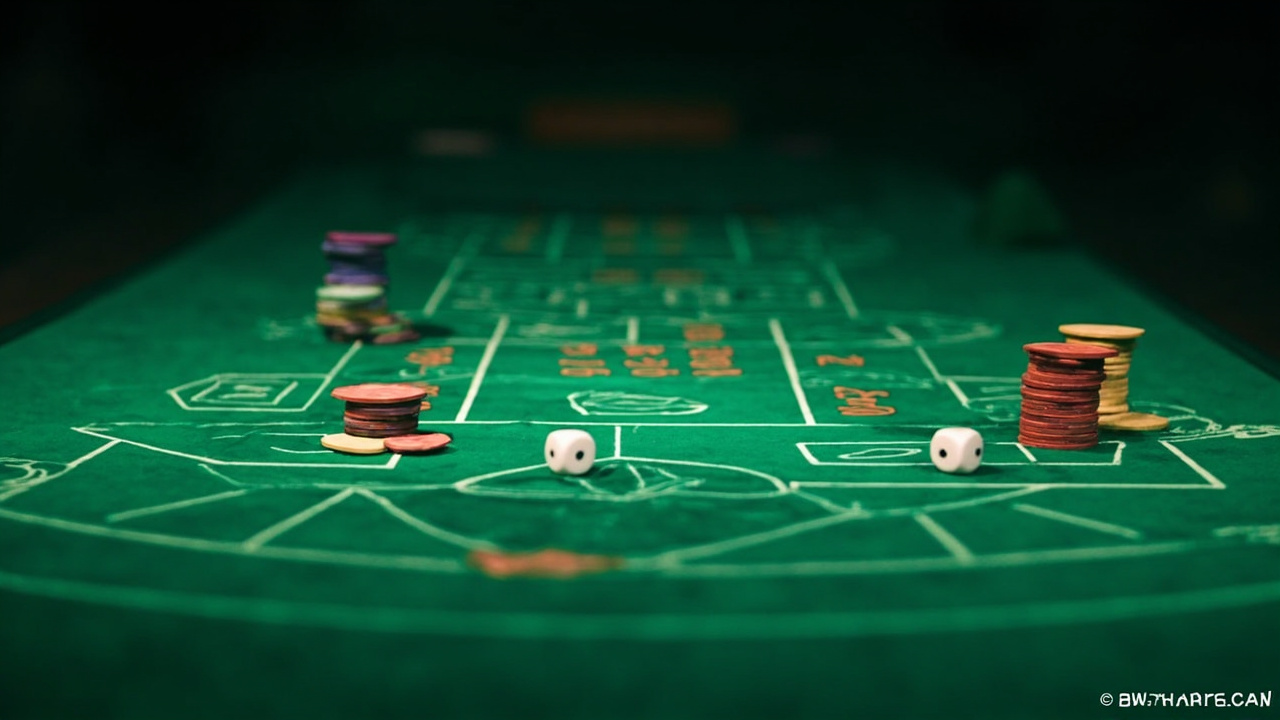
Matching Place Bets To How You Actually Play
Place bets suit players who want a slower, more readable table rhythm and are comfortable with a built-in edge that they manage through bet sizing and number selection. They are not a shortcut to a big score, and they are not the right fit if you want the fastest possible action or the loudest props on the felt. The strength of place betting is that it rewards patience and a clear read of the table, which is why it pairs well with sessions where you are watching the dice settle rather than throwing chips at every number. If you prefer a calmer table experience with visible payouts and a layout that does not fight you, place bets are a sensible anchor. If you want faster swings or a more prop-heavy session, you will probably feel restricted. The verdict is simple: choose place bets when you want steady, readable table action and a payout structure you can plan around, and skip them when you are chasing speed or variety for its own sake.
